
If you have been running a screw air compressor for more than two years, chances are you have already met at least one of the problems on this list. If you haven’t — give it another six months.
Over the past three years, our service team has logged more than 500 field repair visits across Southeast Asia, the Middle East, and Africa. We went back through the service reports, tallied up the causes, and the results were not surprising to anyone who turns a wrench for a living: three components account for over 60% of the “compressor won’t build pressure” or “oil everywhere” calls we take.
Here is what they are, why they fail, and — most importantly — how to catch them before your production line stops.
1. The Oil Separator Element — The #1 Repeat Offender
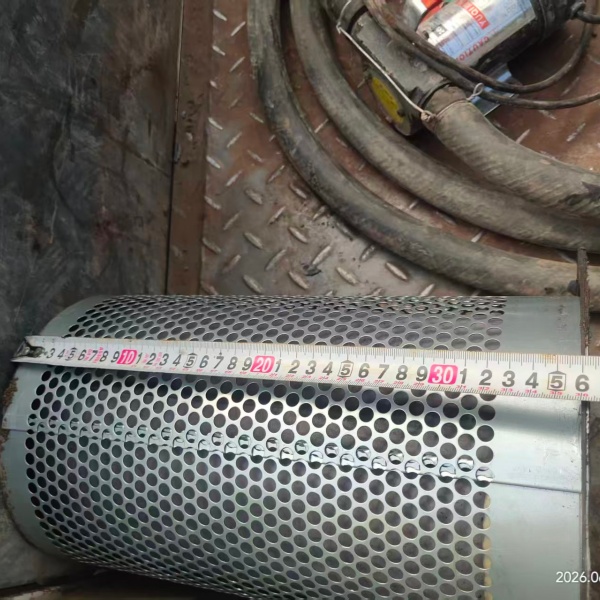
If a screw compressor were a human body, the oil separator would be the kidneys. Its job is simple: separate the oil from the compressed air before the air leaves the machine. When it works, you get clean air. When it doesn’t, you get an oil mist cloud coming out of your downstream equipment. We have seen air tools literally dripping oil because of a blown separator.
What Goes Wrong
The separator is a multi-layer fiberglass cylinder. Over time, the microscopic pores clog with:
- Dust and contaminants that bypass the air filter.
- Oxidized oil sludge (especially in high-temperature environments).
- Carbon deposits from oil that has been run past its service life.
When the separator clogs, the pressure differential across it rises. Once the delta-P exceeds roughly 0.8 to 1.0 bar, the element can physically rupture. And when that happens, the entire oil sump gets pushed downstream in a matter of minutes.
The Symptom You Will Notice First
- Oil carryover at the point of use — tools, filters, and dryers start showing oil residue.
- The compressor loads more frequently but struggles to hold pressure.
- If you have a differential pressure gauge installed on the separator tank, the needle climbs toward the red zone.
How to Stay Ahead of It
The separator is not a “run to failure” component. Most manufacturers rate them for 2,000 to 4,000 hours depending on operating conditions. But here is what the manual won’t tell you: if your ambient temperature regularly hits 40°C (common in the Middle East, North Africa, and parts of Southeast Asia), cut that interval by 30%. Heat accelerates oil oxidation, and oxidized oil destroys separator elements.
The best investment you can make is a differential pressure gauge — a $50 part that tells you exactly when the element needs changing, instead of guessing based on the hour meter.
2. The Intake Valve — Silent Until It Isn’t
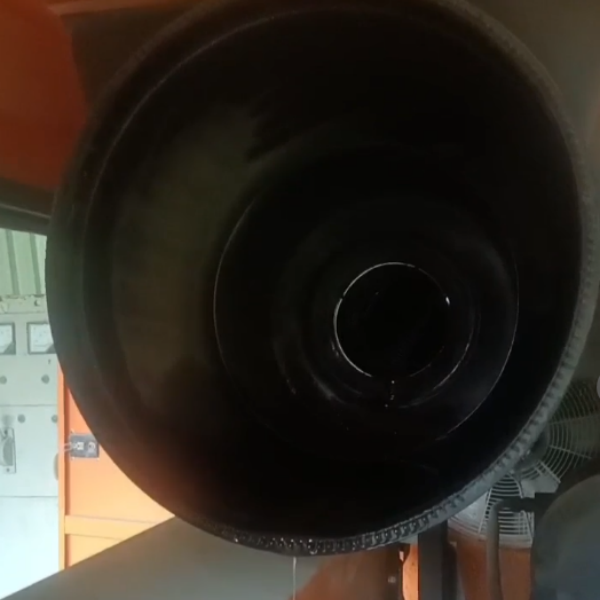
The intake valve sits at the very front of the compression cycle. When the compressor loads, it opens to let ambient air in. When the compressor unloads, it closes. It cycles tens of thousands of times and, eventually, it stops doing either of those things properly.
What Goes Wrong
We see two failure modes:
Stuck Closed (More Common): The valve stem or butterfly plate seizes due to sludge buildup from contaminated oil. The compressor runs, the motor spins, but no air enters the compression chamber. The machine sits there humming — no pressure buildup, no alarm on the basic controller. Operators often don’t notice until the downstream pressure drops and the whole line shuts down.
Stuck Partially Open (Less Common, More Expensive): The valve fails to close fully during unloading. This means the compressor can’t properly depressurize the oil sump during idle, leading to excessive oil foaming and, eventually, oil being pushed out through the air filter. Yes — we have seen compressors literally spewing oil out of the intake.
The Symptom You Will Notice First
- Compressor runs but won’t build pressure, or takes much longer than normal.
- Unusual “hunting” behavior — loading and unloading rapidly every few seconds.
- Oil residue around the air filter housing (a dead giveaway for a stuck intake valve).
Why It Happens
Nine times out of ten, the root cause is not the valve itself — it’s contaminated oil. When operators push oil change intervals too far, the oil thickens, forms varnish, and that varnish gums up the moving parts of the intake valve. The valve itself is mechanically simple. It fails because the oil stopped lubricating and started acting like glue.
Prevention
- Stick to the recommended oil change interval. If the manual says 2,000 hours with mineral oil, don’t push it to 2,500.
- Use a quality synthetic oil if you operate in dusty environments (quarries, mines, cement plants). Synthetics resist varnish formation far better than mineral oils.
- During routine inspections, manually cycle the intake valve (if accessible) and listen for smooth movement. Any grinding or sticking — replace it before it strands your production.
3. The Minimum Pressure Valve — The One Nobody Checks
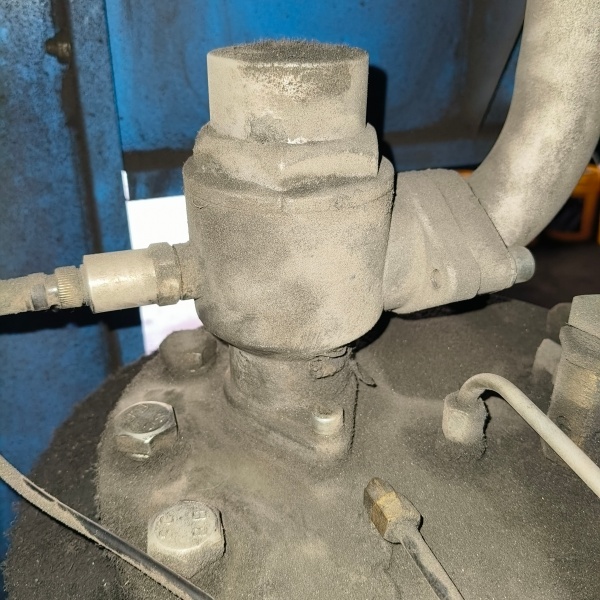
The minimum pressure valve (MPV) is the least glamorous component in a screw compressor. It sits on the outlet of the oil separator tank, and its only job is to keep the separator tank pressure above roughly 4 to 4.5 bar during operation. This ensures adequate oil circulation through the system before compressed air is released downstream.
Because the MPV doesn’t make noise when it fails and doesn’t trigger a warning light, it earns the title of “the part that fails for three months before anyone notices.”
What Goes Wrong
The MPV is a spring-loaded check valve. Over time:
- The spring fatigues, and the valve starts opening at a lower pressure than designed.
- Carbon deposits on the seat prevent the valve from sealing properly when the compressor unloads or stops.
- In machines running wet, humid intake air, the internal spring rusts and eventually breaks.
The Symptom You Will Notice First
- Slow pressure buildup after startup. A healthy compressor should reach working pressure within 15-30 seconds of loading. If it takes 45 seconds or longer, the MPV is likely bleeding pressure.
- Oil foaming in the separator tank (because the minimum pressure isn’t being maintained to keep oil circulating properly).
- After the compressor stops, you hear a continuous hissing sound — air leaking back through the MPV seat.
The Real Cost of Ignoring It
A leaking MPV doesn’t just waste air — it starves the airend of proper lubrication during startup. The first few seconds after the motor starts are when the screw elements need reliable oil flow the most. If the separator tank can’t hold minimum pressure, oil pressure lags, and the rotors run metal-to-metal longer than they should. You won’t see the damage today. You’ll see it when the airend needs rebuilding 5,000 hours ahead of schedule.
What to Do
- During your annual maintenance, have the technician check the MPV opening pressure with a test bench. If it opens more than 0.5 bar below spec, replace it.
- If you hear air leaking from the discharge line for more than 10 seconds after the compressor shuts down, the MPV seat is shot.
- For machines over 10,000 hours: just replace it proactively. The spring has done its duty.
The Common Thread: Oil Quality
Read back through all three failure points. You will notice a pattern: contaminated or degraded oil is the root cause behind each one. The oil in a screw compressor does triple duty — it lubricates the rotors, seals the compression clearances, and carries away about 80% of the heat. When the oil fails, everything else follows.
If you take only one thing from this article, make it this: spending an extra
200onqualitysyntheticoilandchangingitontimewillsaveyoua3,000 airend rebuild and three days of downtime. We have seen it too many times to count.
Is Your Compressor Showing These Symptoms?
If you are dealing with oil carryover, slow pressure buildup, or a machine that just won’t stay loaded, our service team can help you diagnose the problem before it becomes a repair bill. Reach out for a consultation — we have probably seen your exact problem at least a dozen times this year.
Looking for more field-proven maintenance tips? Browse our compressor product range or contact our technical team for specific recommendations.
Post time: Jul-24-2026


