
In the competitive world of water well drilling, your water well rig is more than just a piece of machinery—it’s the heartbeat of your business. However, many contractors today are operating on “borrowed time,” clinging to aging fleets that were built for the geological demands of twenty years ago.
As groundwater levels fluctuate and drilling technology leaps forward, staying loyal to an outdated rig might be costing you more than just repair bills; it could be eroding your reputation.
If you’re wondering whether your water well drilling rig is still a professional asset or a looming liability, here are five unmistakable signs that it’s time for an upgrade.
1. The “Hydraulic Gremlins” Are Winning
Every driller expects a bit of grease and the occasional hose swap. But if your team is spending the first two hours of every site visit chasing hydraulic leaks or dealing with pressure drops, you have a systemic issue.
Modern rigs utilize load-sensing hydraulic systems that maximize efficiency and reduce heat buildup. Older systems tend to run “hot,” leading to premature seal failures and sluggish performance. If your “repair vs. revenue” ratio is tilting toward the shop, the machine is telling you it’s done.
2. Failure to Meet Modern Safety Standards
Safety isn’t just a buzzword; it’s a massive legal and insurance pivot point. Older rigs often lack:
-
Hands-free rod handling systems: Reducing the risk of crushed fingers and back injuries.
-
Emergency stop integration: Modern rigs feature multi-point E-stops that meet current ISO and OSHA requirements.
-
Safety cages: Many high-spec contracts (especially in mining or government sectors) now mandate interlocked safety cages.
If your rig can’t pass a modern safety audit, you are effectively locked out of the highest-paying contracts in the industry.
3. Incompatibility with Deep-Well Requirements
Aquifers are changing. In many regions, drillers are being forced to go deeper to reach viable water. If your current rig lacks the pullback capacity or the torque to handle deeper bores and heavier casing strings, you’re hitting a literal ceiling.
Upgrading to a rig with a higher power-to-weight ratio allows you to take on diverse jobs—from residential 4-inch wells to high-yield agricultural irrigation projects—without straining the engine to its breaking point.
4. Fuel Inefficiency and “Tier” Compliance
The cost of diesel isn’t going down, and neither is environmental oversight. Older engines are notorious fuel-chuggers. New-generation rigs are equipped with Tier 4 Final or Stage V engines that offer significantly better fuel economy and lower emissions.
Beyond the environmental impact, there is a practical side: many urban project sites now strictly prohibit the use of non-compliant, high-emission machinery. An upgrade ensures you can work anywhere, from remote farms to restricted city centers.
5. Excessive “Dead Time” Between Holes
Profitability in drilling is measured by feet per day. If your setup, leveling, and rod-changing processes are manual and clunky, you’re losing money every time the bit isn’t turning.
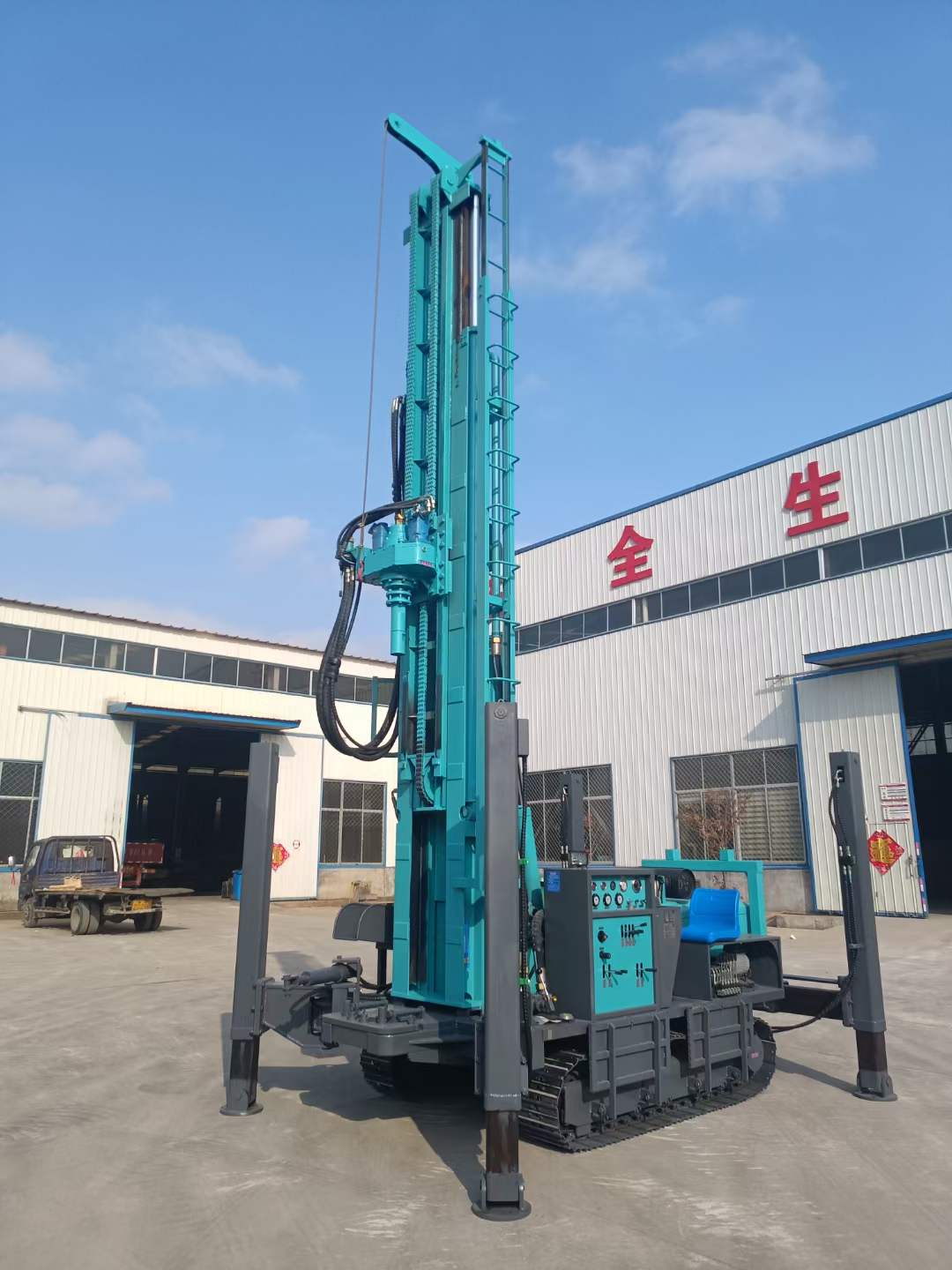
Modern rigs feature:
-
High-speed leveling jacks
-
Automated breakout tools
-
Advanced control panels with real-time diagnostics
An upgrade can often reduce setup time by 30-50%, allowing your crew to finish a job and move to the next site while your competitor is still struggling with a manual pipe wrench.
The Verdict: Investment vs. Expense
Replacing a water well rig is a significant capital investment, but holding onto an obsolescent machine is a recurring expense. A new, reliable rig doesn’t just drill holes—it builds client trust, attracts better operators to your crew, and ensures your business remains resilient in a changing climate.
Is your fleet ready for the 2026 drilling season? Or are you one breakdown away from a lost contract?
Post time: Dec-19-2025


